
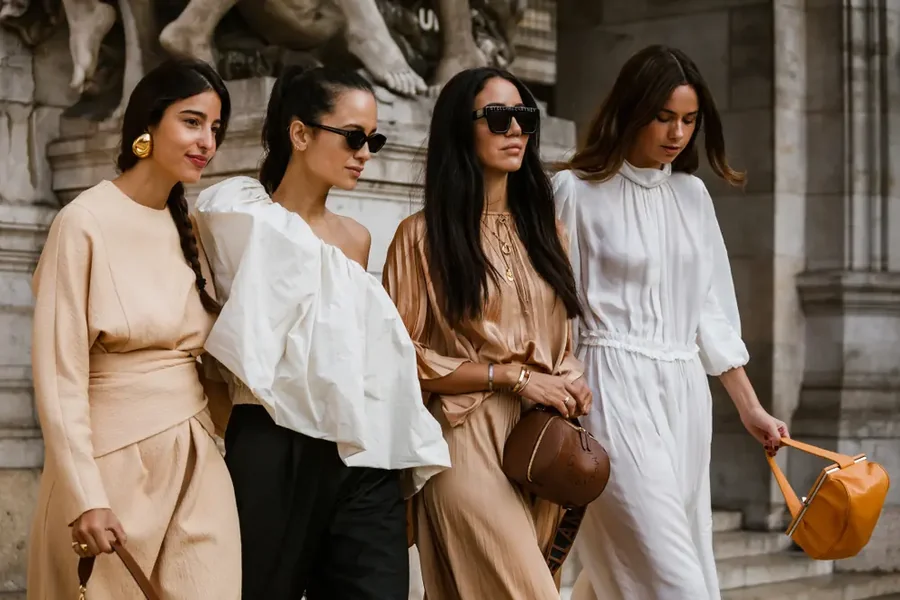
Sustainable Fashion Trends are reshaping how people think about clothing, style, and consumption. Instead of focusing only on fast fashion and constant buying, more consumers are now paying attention to how clothes are made, who makes them, and what impact they have on the environment.
This shift is not just a passing movement. It reflects a deeper awareness of environmental issues, ethical labor practices, and long-term sustainability. Fashion is becoming more thoughtful, with quality and responsibility taking priority over quantity and trends that change every season.
Rise of Eco-Friendly Materials in Fashion
One of the most important Sustainable Fashion Trends is the use of eco-friendly materials. Designers and brands are increasingly turning to organic cotton, hemp, bamboo, and recycled fabrics to reduce environmental impact.
These materials require fewer chemicals, less water, and lower energy consumption during production. As a result, they help reduce pollution and conserve natural resources.
Recycled fabrics made from plastic bottles or old garments are also gaining popularity. They help reduce textile waste, which is one of the biggest environmental challenges in the fashion industry.
Natural dyes are another growing trend. Instead of using harmful synthetic chemicals, brands are adopting plant-based and non-toxic dyes that are safer for both people and the planet.
Ethical Production and Fair Labor Practices
Sustainable Fashion Trends are not only about materials but also about how clothing is made. Ethical production focuses on fair wages, safe working conditions, and respect for workers’ rights.
Many consumers are now demanding transparency from fashion brands. They want to know where their clothes come from and whether the people making them are treated fairly.
This has led to more brands adopting ethical supply chains and certification systems that ensure responsible production practices.
Slow fashion brands are also gaining attention. Instead of mass-producing cheap clothing, they focus on high-quality garments made in smaller quantities. This reduces waste and encourages more thoughtful purchasing decisions.
Growth of Second-Hand and Circular Fashion
Another major shift in Sustainable Fashion Trends is the rise of second-hand and circular fashion. Thrift shopping, clothing rentals, and resale platforms are becoming increasingly popular among environmentally conscious consumers.
Buying second-hand clothing extends the life of garments and reduces the demand for new production. This helps lower carbon emissions and decreases textile waste.
Circular fashion takes this idea further by designing clothes that can be reused, repaired, or recycled. Instead of ending up in landfills, clothing is kept in continuous use through different stages.
Clothing rental services are also growing, especially for special occasions. This allows people to enjoy variety without constantly buying new outfits.
Minimalism and Conscious Consumer Behavior
Minimalism is becoming an important part of Sustainable Fashion Trends. Instead of owning large wardrobes filled with rarely worn clothes, many people are choosing fewer, high-quality pieces that last longer.
This approach encourages consumers to think carefully before making purchases. The focus shifts from quantity to value and versatility.
Capsule wardrobes are a popular example of this trend. A capsule wardrobe consists of a limited number of essential clothing items that can be mixed and matched easily.
Conscious consumer behavior also includes avoiding impulsive buying and supporting brands that align with ethical and environmental values. This shift is helping reduce overconsumption and waste in the fashion industry.
Technology and Innovation in Sustainable Fashion
Technology is playing a key role in advancing Sustainable Fashion Trends. Innovations such as 3D printing, AI-based design, and digital fashion are helping reduce waste and improve efficiency.
3D printing allows designers to create clothing with minimal material waste. It also enables customization, reducing the need for mass production.
Artificial intelligence is being used to predict fashion demand more accurately, helping brands produce only what is needed and avoid overstock.
Digital fashion, where clothing exists only in virtual environments, is also emerging. This reduces physical production entirely while still allowing creative expression in online spaces.
Blockchain technology is improving transparency by tracking the journey of garments from production to sale, ensuring authenticity and ethical sourcing.
Final Thought
Sustainable Fashion Trends are transforming the fashion industry into a more responsible and environmentally conscious space. From eco-friendly materials and ethical production to second-hand shopping and technological innovation, these changes are shaping a future where fashion is both stylish and sustainable. As consumers become more aware, their choices will continue to drive positive change across the industry.
FAQs
What are Sustainable Fashion Trends?
Sustainable Fashion Trends refer to clothing practices that focus on environmental protection, ethical production, and long-term sustainability.
Why is sustainable fashion important?
It is important because it reduces environmental damage, supports ethical labor practices, and promotes responsible consumption.
What materials are used in sustainable fashion?
Common materials include organic cotton, hemp, bamboo, and recycled fabrics made from waste materials.
Is second-hand clothing part of sustainable fashion?
Yes, second-hand clothing is a key part of sustainable fashion because it reduces waste and extends the life of garments.
How does sustainable fashion help the environment?
It reduces pollution, lowers water and energy usage, and minimizes textile waste in landfills.
Can sustainable fashion still be stylish?
Yes, sustainable fashion includes modern, trendy, and high-quality designs that match current style preferences.
