
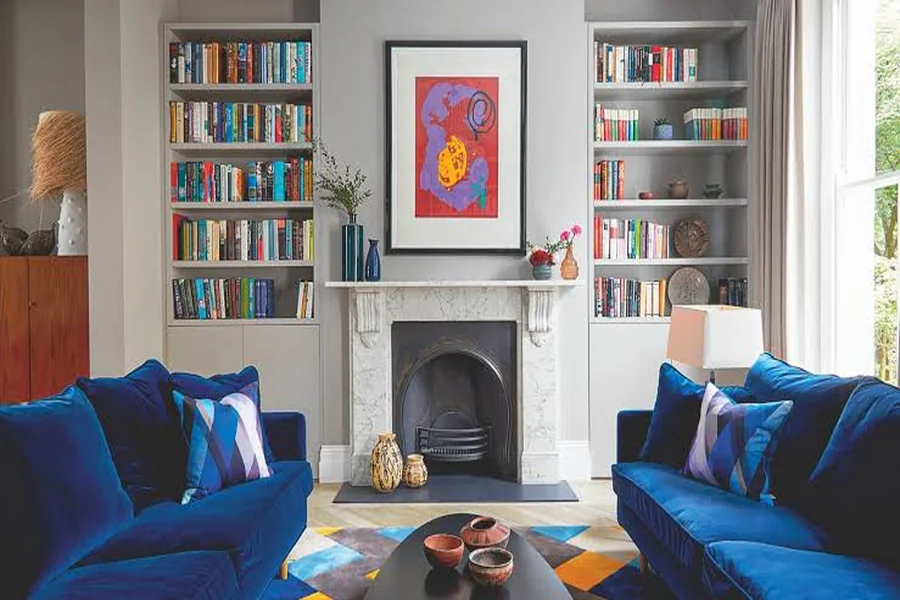
Keeping a family home organized can sometimes feel like a never-ending task. With children, work, school, meals, belongings, and daily responsibilities, clutter can quickly return even after a thorough cleaning. The goal is not to keep everything perfectly organized all the time but to create simple systems that make everyday life easier.
Best Home Organization Tips for Families focus on practical solutions that everyone in the household can understand and follow. Instead of relying on complicated storage systems or spending hours cleaning, families can make small changes to furniture placement, storage, routines, and daily habits. When every item has a reasonable place and each family member knows how to maintain it, keeping the home organized becomes much more manageable.
Start With Simple Organization Systems
A successful family organization system should be simple enough for everyone to use. If a storage method requires too many steps, people are less likely to follow it consistently. Start with basic categories and assign belongings to locations that make sense.
For example, shoes can have one designated area near the entrance, while school bags can be kept on hooks or shelves nearby. Jackets, keys, and frequently used outdoor items can also be placed close to the door. This makes leaving and returning home easier while preventing these items from being scattered throughout the house.
Storage labels can be helpful, especially when several family members share the same spaces. Labels do not have to look complicated. Simple words such as toys, books, shoes, school supplies, or cleaning products can make it easier for children and adults to return items to the correct place.
It is also useful to organize belongings based on how frequently they are used. Everyday items should remain easy to reach, while seasonal decorations, rarely used kitchen equipment, and special occasion items can be stored in less accessible areas.
Avoid creating too many storage categories. The purpose of organization is to make life easier, not to turn the home into a complicated filing system. A few practical systems that everyone understands are usually more effective than a large number of detailed rules.
Organize Each Room Around Daily Needs
Every room in a family home has different requirements, so organization should reflect how the space is actually used. A system that works well in a bedroom may not be suitable for a busy kitchen or shared living room.
In the kitchen, keep frequently used cooking tools, dishes, and ingredients within easy reach. Less frequently used items can be stored higher up or farther back in cabinets. Creating specific areas for food preparation, cooking, and cleaning can also make kitchen tasks more efficient.
Bedrooms benefit from simple clothing and personal-item systems. Use drawers, baskets, shelves, and closet sections to separate different types of belongings. Children can have accessible drawers or bins for everyday clothes so they can learn to manage their own items.
The living room should remain comfortable because it is often a shared family space. Use baskets or storage furniture for toys, books, blankets, and entertainment items. At the end of the day, encourage family members to return shared belongings to their designated locations.
Bathrooms can become cluttered quickly when several people use them. Small baskets or containers can help separate personal products. Frequently used items should be easy to access, while extra supplies can be stored elsewhere.
The most effective organization systems are based on real behavior. Instead of forcing everyone to change completely, observe where clutter naturally collects and create storage solutions close to those areas.
Reduce Clutter With Family-Friendly Decluttering
Decluttering is one of the most effective ways to make a family home easier to organize. When there are fewer unnecessary belongings, there is less to clean, store, and manage.
Begin with one small area instead of trying to declutter the entire house in one day. A single drawer, shelf, closet section, or toy area can be a good starting point. Divide items into categories such as keep, donate, recycle, repair, or discard.
Children can participate in this process as well. Encourage them to choose toys, books, and clothes they still use and enjoy. This can help children understand the value of taking care of their belongings while gradually reducing unnecessary items.
Be careful not to remove things simply because they are not used every day. Some belongings may have sentimental or seasonal value. The goal is to reduce unnecessary clutter while keeping items that genuinely serve a purpose or hold meaningful value.
A useful habit is to review belongings whenever something new enters the home. If a child receives several new toys, for example, consider whether older toys are still being used. This does not mean getting rid of something immediately, but it encourages thoughtful decisions about available space.
Regular small decluttering sessions are generally easier than waiting until the home becomes overwhelmed with belongings. Spending a few minutes each week reviewing one area can make long-term organization much easier.
Create Routines Everyone Can Follow
Organization becomes much easier when it is connected to simple daily routines. Instead of treating cleaning and organization as occasional major projects, make small responsibilities part of everyday family life.
A morning routine might include making beds, putting pajamas away, placing dirty clothes in a hamper, and returning personal items to their usual locations. An evening routine can include clearing shared surfaces, organizing school bags, and preparing commonly needed items for the following day.
Children should have age-appropriate responsibilities. Younger children can put away toys or place books on shelves, while older children can help organize bedrooms, laundry, or shared spaces.
A short family reset at the end of the day can also be effective. Everyone can spend ten or fifteen minutes returning belongings to their proper locations. Because the responsibility is shared, one person does not have to handle all the organization alone.
Weekly routines can focus on tasks that do not need to happen every day. These may include changing bedding, reviewing school supplies, cleaning storage areas, or checking the refrigerator.
The most important part is consistency. A simple routine that the family follows regularly is more useful than an ambitious schedule that becomes difficult to maintain. Make routines realistic and flexible enough to fit busy days.
For families interested in broader lifestyle, wellness, and everyday home-life ideas, lifenzia can also provide useful inspiration for creating balanced routines and a more comfortable household environment.
Make Storage Practical for Everyone
Good storage is essential in a busy family home, but storage should be designed around accessibility. If children cannot reach their belongings easily, they may leave them in convenient places instead.
Low shelves, open baskets, labeled bins, and accessible hooks can make it easier for children to participate in keeping the home organized. In bedrooms, place everyday clothing where children can reach it without assistance when appropriate.
Entryways can benefit from hooks, baskets, shoe racks, and small storage compartments. Giving every family member a defined place for everyday items can significantly reduce the amount of clutter that spreads into other rooms.
Under-bed storage can be useful for seasonal clothing, extra bedding, or less frequently used belongings. Tall cabinets can take advantage of vertical space without occupying a large amount of floor area.
Multifunctional furniture can also help. Storage ottomans, benches with compartments, beds with drawers, and cabinets with adjustable shelves can provide additional storage without requiring separate pieces of furniture.
Do not fill every available storage area simply because space exists. An overcrowded cabinet can be just as difficult to manage as an overcrowded room. Leave enough space for items to be removed and returned easily.
Get the Whole Family Involved
A family home is much easier to organize when everyone contributes. One person should not be responsible for remembering where everything belongs or cleaning every shared space.
Start by explaining the purpose of organization in a positive way. Rather than presenting it as a list of rules, explain that organized spaces make it easier to find belongings, prepare for school or work, and enjoy time together.
Create simple responsibilities for each family member. Children can be responsible for their toys, books, clothing, or school items. Adults can manage more complicated tasks such as paperwork, household supplies, and larger storage areas.
Family members can also work together during occasional decluttering sessions. Set a short amount of time and focus on one specific area. This makes the task feel more manageable and encourages teamwork.
Avoid expecting perfection. Families have busy days, and sometimes belongings will be left in the wrong place. The goal is to create systems that make it easy to recover from those moments.
It can also be helpful to review organization systems from time to time. As children grow, their needs change. A storage system that worked well several years ago may no longer be practical. Adjusting the system keeps the home organized without forcing the family to follow outdated arrangements.
Final Thought
A well-organized family home does not need to look perfect or follow a strict minimalist style. The most useful systems are those that fit naturally into everyday life and make common tasks easier.
The best approach is to start small. Create practical storage areas, remove unnecessary clutter, establish simple routines, and give every family member a reasonable role. Over time, these small habits can make a noticeable difference in how the home feels and functions.
Organization should also leave room for real life. Toys will be played with, clothes will be used, meals will be prepared, and belongings will sometimes end up in the wrong place. A successful system is one that allows the family to reset the space without spending hours doing it.
With thoughtful planning and shared responsibility, even a busy household can maintain a cleaner, calmer, and more comfortable environment. The goal is not perfection but creating a home where everyone can find what they need and enjoy the space more easily.
FAQs
What is the easiest way to organize a family home?
Start with high-traffic areas such as the entryway, kitchen, living room, and bedrooms. Give frequently used belongings specific places and create simple routines for returning them after use.
How can I keep my house organized with children?
Use accessible storage such as labeled baskets, low shelves, hooks, and toy bins. Give children simple responsibilities and encourage them to return their belongings after playing or using them.
How often should a family declutter?
A small decluttering session every few weeks can help prevent excessive buildup. Larger reviews can be done seasonally or whenever storage areas become difficult to manage.
How can children learn to stay organized?
Give children age-appropriate responsibilities and make storage easy to understand. Simple labels, accessible shelves, and consistent routines can help them develop organization habits.
What should I do with items we rarely use?
Store seasonal and rarely used belongings in less accessible areas such as high shelves, cabinets, or under-bed storage. Consider donating or recycling items that no longer serve a useful purpose.
How can I organize a small family home?
Use vertical storage, multifunctional furniture, labeled containers, and flexible spaces. Keep frequently used items accessible while storing less important belongings efficiently.
Should every family member have their own storage space?
Individual storage areas can be helpful because they give each person responsibility for their belongings. Even a small drawer, basket, shelf, or hook can create a useful personal zone.
How can I prevent clutter from coming back?
Create simple daily reset routines and encourage everyone to return items after use. Regular decluttering and thoughtful decisions before bringing new items into the home can also reduce future clutter.
