
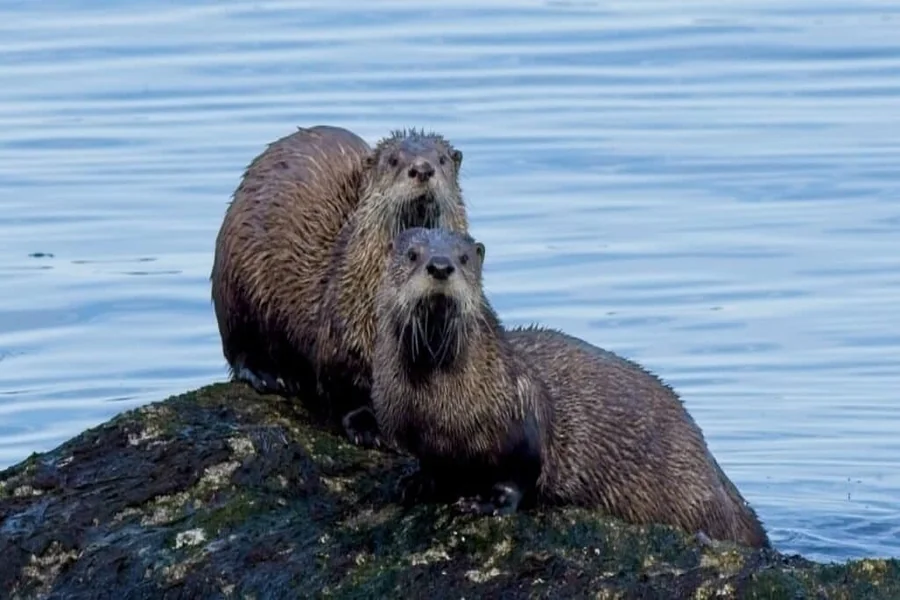
The Natural Scene Around a Lake
Animals walking near lake areas create a peaceful picture of wildlife interacting with one of nature’s most important resources. A lake can support a wide variety of animals because it provides drinking water, vegetation, food, shelter, and opportunities for movement. From deer approaching the shoreline to birds searching through shallow water, many species depend on lakes and their surrounding habitats.
The area around a lake is rarely empty. Grasslands, reeds, shrubs, trees, mudflats, and rocky shorelines can all create different habitats for wildlife. Each environment provides particular resources, allowing animals with different lifestyles to live close to one another.
For some animals, visiting a lake is part of a daily routine. They may walk toward the water in the morning or evening to drink, while others spend time near the shore searching for food. Predators may also visit these areas because prey animals frequently gather around reliable water sources.
People who enjoy learning about wildlife and natural environments can find additional animal-related information through natureanimalhub. Understanding how animals use habitats such as lakes can make ordinary outdoor scenes much more meaningful.
A lake is therefore more than a body of water. It can act as the center of a complex ecosystem where animals, plants, insects, and aquatic organisms interact.
Why Animals Visit Lakes
Water is essential for almost every land animal. During hot or dry periods, a reliable lake can become especially important. Animals may travel from nearby habitats to drink and cool themselves.
Herbivores such as deer, antelope, and other grazing animals may approach lake shores to drink while also feeding on nearby grasses and plants. The vegetation around water can be particularly productive because moisture supports plant growth.
Some animals use lakes for more than drinking. Shoreline vegetation may provide food, while muddy areas can contain insects and other small organisms. Animals may also use the surrounding habitat as a route between different feeding or resting areas.
The time of day can influence lake activity. Many animals prefer visiting during cooler morning or evening hours, particularly in warm climates. At these times, the shoreline may become active as different species arrive and leave.
However, approaching water can involve risks. Predators understand that animals need to drink, so watering areas may become natural hunting locations. Herbivores must balance their need for water with the need to remain alert.
This creates an interesting relationship between safety and survival. A lake attracts animals because it provides essential resources, but the same concentration of wildlife can also attract predators.
Wildlife Along the Shoreline
The shoreline is one of the most active parts of a lake ecosystem. It forms a transition zone between land and water, supporting species that depend on both environments.
Deer and other mammals may walk along the edge while searching for water or vegetation. Their tracks can often be found in soft soil or mud, providing evidence that animals regularly use the area.
Birds are also common around lakes. Wading birds may walk through shallow water searching for fish, insects, crustaceans, and other small prey. Waterfowl may move between the water and nearby vegetation, feeding and resting along the shoreline.
Amphibians often depend on wet environments as well. Frogs and other species may live among reeds, grasses, and damp areas surrounding lakes. Their presence can contribute to the wider food web by providing food for birds, snakes, mammals, and other predators.
Insects are another major part of shoreline life. Dragonflies, mosquitoes, beetles, butterflies, and many other insects may live around or near freshwater habitats. These small creatures become food for numerous animals.
The shoreline therefore contains many layers of activity. An animal walking beside the water may be surrounded by a much larger ecological community than is immediately visible.
How Different Animals Use the Same Lake
One lake can support many species at the same time because animals use different parts of the habitat and have different needs. This allows them to share resources without always competing directly.
A large herbivore may drink at the shoreline and then move into nearby grassland to feed. A bird may search the shallow water for small prey, while fish remain farther below the surface. Frogs may stay among aquatic plants, and insects may move between flowers and vegetation.
Even animals that use the same water source may visit at different times. Some species are active during daylight, while others become active after sunset.
Predators can also use the lake environment differently. A large carnivore may wait near a watering area, while smaller predators search along the shoreline for rodents, birds, reptiles, or amphibians.
This variety demonstrates the importance of habitat diversity. A lake surrounded by different vegetation types can support more forms of wildlife than a shoreline with very little natural cover.
Trees provide shade and nesting locations, grasses offer food and shelter, reeds create hiding places, and shallow water supports aquatic organisms. Together, these habitats form a connected ecosystem.
Seasonal Changes Around Lake Habitats
Lake environments can change significantly throughout the year. Rainfall, temperature, water levels, and plant growth all influence how animals use the surrounding landscape.
During wet seasons, water may spread into areas that are normally dry. New vegetation can grow around the expanded shoreline, creating additional feeding opportunities for herbivores and insects.
As water levels fall during drier periods, animals may concentrate around remaining sources of water. This can increase activity around particular sections of the lake.
Seasonal changes can also affect food availability. Plants may flower or produce seeds at different times, while insect populations can increase during warm and wet conditions.
Migratory birds may use lakes as temporary resting and feeding areas during long journeys. A productive lake can provide an important stopover where birds can replenish their energy before continuing their travels.
Animals living permanently around a lake must adapt to these changes. Their movement patterns may shift as water and food resources become more or less available.
Observing these seasonal patterns can provide valuable insight into how closely wildlife behavior is connected to environmental conditions.
Predators and Prey Near the Water
A lake shoreline can become a meeting place for predators and prey. Animals that come to drink or feed may become more vulnerable while focusing on the resources around them.
Herbivores often remain alert while drinking. They may raise their heads regularly, scan the surrounding vegetation, and respond quickly to unusual sounds or movements.
Predators may take advantage of these predictable visits. Depending on the region, large cats, crocodilians, wolves, foxes, birds of prey, and other carnivorous animals may hunt near water.
However, prey animals have developed strategies to reduce risk. Some travel in groups, while others choose open areas where predators are easier to see. Many species prefer visiting water during times when predator activity is lower.
The relationship between predators and prey helps maintain ecological balance. Predators influence prey populations, while prey availability affects predator behavior and movement.
The presence of water adds another layer to this relationship because animals cannot always avoid visiting. Even when danger is nearby, thirst eventually requires many species to approach the shoreline.
This makes lake ecosystems dynamic places where survival decisions happen constantly.
Protecting Lakes and Their Wildlife
Healthy lakes are important not only for wildlife but also for surrounding ecosystems and human communities. Protecting water quality and natural shoreline vegetation can help maintain suitable habitat for many species.
Pollution can damage freshwater ecosystems. Plastic waste, chemicals, excessive nutrients, and other pollutants can affect fish, amphibians, insects, birds, and mammals.
Habitat destruction can create additional problems. Removing shoreline vegetation may eliminate nesting sites, feeding areas, and protective cover. Development near lakes can also disturb natural animal movement.
Responsible recreation can help reduce unnecessary disturbance. Visitors should avoid chasing wildlife, approaching nests, leaving litter, or damaging plants around sensitive habitats.
Maintaining natural vegetation along shorelines is particularly valuable. Trees, shrubs, grasses, and reeds can stabilize soil, provide habitat, and create connections between land and water.
Conservation efforts are most effective when they consider the entire ecosystem rather than focusing on a single species. Protecting the lake, shoreline, surrounding vegetation, and nearby wildlife corridors can benefit many animals simultaneously.
When lakes remain healthy, they continue to provide essential resources for generations of wildlife.
Observing Animals Near Lakes Responsibly
Watching animals near a lake can be a rewarding experience, especially when observers remain patient and respectful. Wildlife is often most interesting when animals are allowed to behave naturally without interference.
Keeping a reasonable distance is important. Approaching too closely can cause an animal to flee, waste energy, or abandon an important feeding or resting area.
Binoculars and cameras with suitable zoom capabilities can help people observe animals without disturbing them. Quiet observation also increases the chances of seeing natural behavior.
Visitors should avoid feeding wild animals. Human food can be unhealthy for wildlife and may cause animals to associate people with food, potentially creating dangerous situations.
It is also important to remain on designated paths where available. Walking through nesting areas or dense shoreline vegetation can damage habitats and disturb small animals that are difficult to see.
Responsible observation allows people to appreciate nature while protecting the animals and habitats that make the experience possible.
Final Thought
Animals walking near lake habitats provide a beautiful example of how wildlife depends on water and the surrounding environment. A simple walk along a shoreline can involve drinking, feeding, migration, shelter, social interaction, and the constant search for safety.
Lakes connect many different habitats. Water supports aquatic organisms, while surrounding grasses, trees, reeds, and shrubs provide food and shelter for land animals. Together, these environments create a diverse ecosystem where countless species interact.
Protecting lake ecosystems means protecting more than water. Healthy shorelines, natural vegetation, clean habitats, and safe wildlife corridors are all important for maintaining the balance of these environments.
The next time an animal is seen walking beside a lake, it can be viewed as part of a much larger natural story. Every visit to the water has a purpose, and every species contributes in its own way to the life of the ecosystem.
FAQs
Why do animals walk near lakes?
Animals walk near lakes mainly to drink water, find food, seek shelter, travel between habitats, or access important shoreline resources.
What animals can commonly be seen near lakes?
Depending on the location, lakes may attract deer, birds, amphibians, reptiles, insects, fish, and various small and large mammals.
Why are lake shorelines important for wildlife?
Shorelines provide access to water while also offering vegetation, food, nesting areas, shelter, and travel routes for many species.
Do predators hunt near lakes?
Yes, some predators hunt near lakes because prey animals often visit reliable water sources and productive feeding areas.
Why do animals visit lakes at different times?
Animals may visit at different times because of temperature, food availability, predator activity, daily routines, and species-specific behavior.
How do seasonal changes affect lake wildlife?
Changes in rainfall, water levels, vegetation, and food availability can alter where and when animals move around a lake.
How can people protect wildlife near lakes?
People can help by keeping lakes clean, avoiding unnecessary disturbance, protecting shoreline vegetation, and observing wildlife from a safe distance.
Is it safe to feed wild animals near lakes?
Feeding wild animals is generally discouraged because human food may harm them and can cause wildlife to become dependent on or approach people.
