
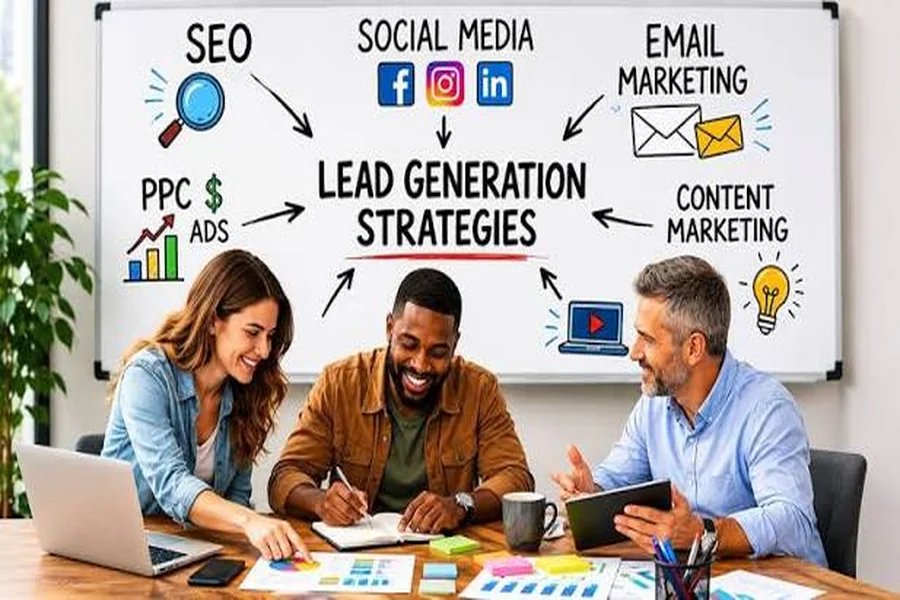
Lead Generation Strategies help businesses attract people who may be interested in their products or services and guide them toward becoming customers. Without a consistent flow of potential buyers, even companies with excellent products can struggle to grow. Effective lead generation focuses on understanding customer needs, reaching the right audience, and providing useful reasons for people to share their contact information. Instead of pursuing every available prospect, businesses should concentrate on attracting individuals who are genuinely interested in what they offer. A well-planned approach can improve marketing efficiency, strengthen customer relationships, and create more predictable opportunities for long-term growth.
Successful lead generation requires more than placing a contact form on a website or running occasional advertisements. Businesses need to combine useful content, targeted campaigns, clear messaging, and consistent follow-up. Digital resources such as asuramgg can also support broader research into online platforms and marketing opportunities. By understanding where potential customers spend time and what influences their decisions, companies can create campaigns that attract relevant prospects and encourage meaningful engagement.
Understand Your Ideal Customer
The first step in attracting quality leads is knowing exactly who you want to reach. Businesses should identify their ideal customers by considering factors such as age range, location, interests, purchasing habits, professional roles, and common challenges. For business-to-business companies, industry, company size, and decision-making responsibilities may also matter. Customer surveys, website analytics, sales conversations, and existing customer records can reveal valuable patterns. Once you understand your audience, it becomes easier to choose suitable marketing channels and create messages that address specific needs. A clearly defined customer profile also helps prevent wasted advertising expenses. Rather than trying to appeal to everyone, focus on people who are most likely to benefit from your products or services.
Create Valuable Content That Attracts Leads
Content marketing is an effective way to attract potential customers while demonstrating your expertise. Helpful blog posts, practical guides, informative videos, webinars, and downloadable resources can answer questions that people already have. For example, a software company might publish a comparison guide that helps businesses choose the right solution. A service provider could offer a checklist that explains how to prepare for a particular project. These resources provide value before a purchase decision is made. To turn content visitors into leads, include relevant calls to action that invite readers to subscribe, request information, or download additional materials. Keep forms simple and ask only for information that is genuinely necessary. Useful content combined with a clear next step can gradually turn casual visitors into interested prospects.
Use Social Media and Targeted Advertising
Social media platforms allow businesses to connect with audiences through useful posts, discussions, short videos, and targeted campaigns. Choosing the right platform depends on where your potential customers spend their time. LinkedIn may be suitable for professional services and business audiences, while Instagram and Facebook can help brands reach consumers through visual content and community engagement. Paid advertising can extend that reach by targeting people according to interests, location, demographics, and other available audience signals. However, campaigns should have a specific objective rather than focusing only on likes or impressions. Use clear headlines, relevant visuals, and direct calls to action. Test different messages and audience groups to identify what performs best. Reviewing campaign results regularly helps businesses improve their spending and attract more qualified prospects.
Optimize Your Website and Landing Pages
Your website often creates the first impression for potential customers, so it should make taking the next step simple. Important information should be easy to find, pages should load quickly, and the design should work smoothly on mobile devices. Dedicated landing pages can improve campaign performance by focusing on one offer or action instead of presenting too many choices. Use a clear headline that explains the benefit, supporting information that builds confidence, and a visible form or contact option. Testimonials, case studies, customer reviews, and relevant trust signals can also reduce uncertainty. Avoid asking visitors to complete lengthy forms unless the information is necessary. A straightforward experience makes it easier for interested people to respond and helps businesses capture more useful inquiries.
Nurture Leads and Measure Performance
Not every prospect is ready to buy immediately. Some need additional information, while others may be comparing different providers or waiting for the right time. Lead nurturing helps maintain communication through personalized emails, useful updates, product demonstrations, and relevant follow-up messages. Segment contacts according to their interests and level of engagement so that each person receives appropriate information. Marketing automation can make this process more consistent, but messages should still feel relevant and helpful. Businesses should also monitor key performance indicators, including conversion rates, cost per lead, lead quality, and the number of prospects who eventually become customers. These measurements reveal which channels and campaigns deliver meaningful results. Regular analysis makes it easier to improve weak areas and invest in activities that support business growth.
Final Thought
A strong lead generation process combines audience research, valuable content, targeted promotion, website optimization, and consistent follow-up. Each activity contributes to attracting people who have a genuine interest in what a business offers. The most effective approach is not necessarily the one that produces the largest number of contacts, but the one that creates relevant opportunities and supports lasting customer relationships. Start with clear goals, test different methods, and use performance data to guide improvements. With patience and a consistent strategy, businesses can build a dependable pipeline of potential customers and create a stronger foundation for sustainable growth.
FAQs
What are lead generation strategies?
They are marketing methods businesses use to attract potential customers, collect their information, and encourage them to consider a product or service.
Which lead generation method is most effective?
The best method depends on the audience and industry, but content marketing, targeted advertising, search optimization, and email campaigns can work well together.
How can small businesses generate more leads?
Small businesses can publish helpful content, improve their websites, use social media, encourage customer referrals, and create clear offers for their target audience.
What is a qualified lead?
A qualified lead is a potential customer who meets specific criteria and shows enough interest or purchasing intent to justify further sales engagement.
How can businesses measure lead generation success?
They can track lead volume, conversion rates, acquisition costs, lead quality, and the percentage of prospects who become paying customers.
