
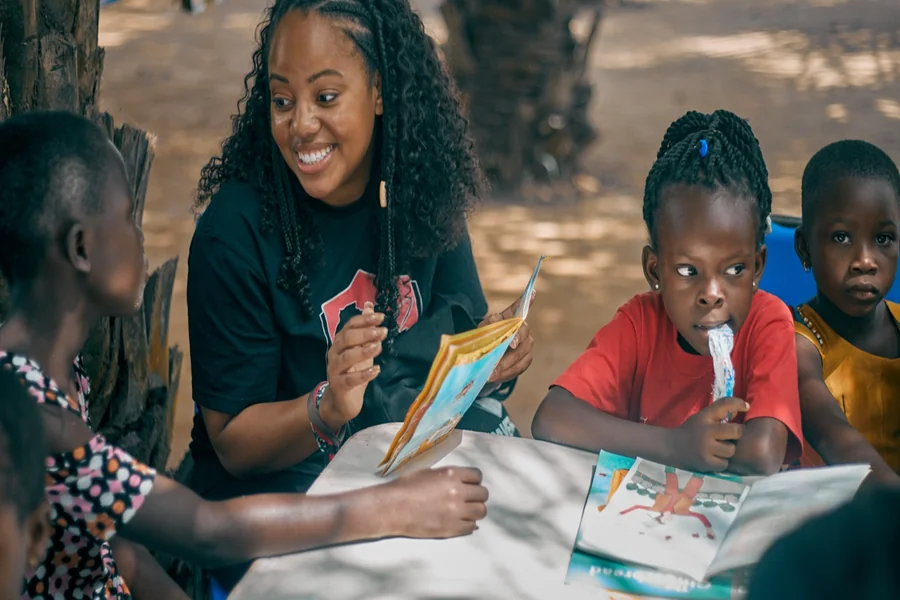
Improving Literacy Skills in Children is essential for their academic progress, communication, and personal development. Literacy involves more than recognizing letters and reading words. It includes understanding information, expressing ideas, developing vocabulary, and using language confidently. When children build these abilities early, they become better prepared to learn different subjects and communicate effectively in everyday situations.
Parents, teachers, and caregivers all play an important role in creating positive literacy experiences. Regular reading, meaningful conversations, and creative writing activities can help children develop language skills naturally. Informative online platforms such as replycorner can also encourage curiosity and provide additional reading material for learners. With patience, encouragement, and consistent practice, children can develop a strong foundation that supports them throughout their education.
Why Early Literacy Development Matters
Early literacy development influences how children understand and interact with the world. When young learners become familiar with letters, sounds, words, and simple sentences, they begin developing the skills needed for independent reading and writing. These abilities also support learning in subjects such as science, mathematics, and social studies, where understanding written instructions is important.
Strong literacy skills can improve confidence as well. Children who understand stories and communicate their thoughts clearly may feel more comfortable participating in classroom discussions and completing assignments. Early support also helps adults identify learning difficulties before they become more challenging. By making language development a regular part of childhood, families and schools can give children a valuable starting point for future success.
Make Reading an Enjoyable Daily Habit
Reading regularly is one of the most effective ways to develop literacy. Children learn new vocabulary, sentence structures, and storytelling patterns when they read books suited to their age and interests. Picture books, short stories, poems, and simple informational texts can all support language development.
Parents can make reading more engaging by allowing children to choose their favorite books. Reading together, discussing characters, and asking questions about the story encourage active participation. Instead of treating reading as a strict task, adults should make it a relaxing and enjoyable activity. Even a short reading session each day can create consistency and help children develop a lasting interest in books.
Strengthen Vocabulary and Reading Comprehension
Understanding words is just as important as recognizing them. A growing vocabulary helps children follow instructions, understand stories, and explain their thoughts more accurately. Adults can introduce new words during everyday conversations, describe objects around the home, and explain unfamiliar terms when reading together.
Reading comprehension develops when children learn to think about what they read. Parents and teachers can ask simple questions about a story, such as what happened first, why a character made a particular choice, or what might happen next. Encouraging children to summarize a passage in their own words also checks understanding. These activities help learners move beyond reading individual words toward understanding complete ideas and messages.
Encourage Writing Through Creative Activities
Writing gives children an opportunity to use language actively. Beginners can start by tracing letters, writing their names, and forming simple words. As their abilities improve, they can create short sentences, describe pictures, or write a few lines about their daily experiences. Regular practice helps develop spelling, grammar, sentence structure, and confidence.
Creative activities can make writing more interesting. Children might keep a simple journal, write greeting cards, create short stories, or make lists of their favorite things. Adults should focus on encouraging ideas before correcting every small mistake. Positive feedback helps children feel comfortable expressing themselves, while gentle guidance gradually improves accuracy. Giving children opportunities to write for real purposes can make the activity more meaningful.
Support Literacy at Home and School
Children develop literacy more effectively when home and school environments work together. Teachers can provide structured reading lessons, writing exercises, and individual guidance based on each learner’s needs. Parents can reinforce these lessons through conversations, shared reading, and simple activities at home.
A supportive learning environment should include age-appropriate books, writing materials, and opportunities to explore language. Libraries and educational programs can offer additional resources for families who want to expand children’s reading choices. Adults should also recognize that children learn at different speeds. Comparing one child’s progress with another can create unnecessary pressure. Encouragement, patience, and consistent support are more useful for building long-term confidence.
Final Thought
Improving Literacy Skills in Children requires regular practice, positive encouragement, and cooperation between families and educators. Reading, writing, vocabulary development, and comprehension all contribute to a child’s ability to communicate and learn independently. Small activities such as sharing a story, discussing new words, or writing a short note can make a meaningful difference over time. The goal is not simply to help children read and write correctly but to develop curiosity and a lasting interest in language. With supportive guidance and enjoyable learning experiences, children can build literacy skills that benefit them throughout life.
FAQs
What are literacy skills in children?
Literacy skills include reading, writing, understanding written information, developing vocabulary, and communicating ideas clearly.
How can parents improve their child’s reading skills?
Parents can read with their children daily, provide interesting age-appropriate books, discuss stories, and encourage independent reading.
At what age should children start learning literacy skills?
Early literacy development can begin during infancy through talking, singing, and sharing picture books, with more structured reading and writing introduced as children grow.
How can teachers improve literacy in the classroom?
Teachers can use guided reading, storytelling, vocabulary exercises, creative writing, group discussions, and activities suited to different learning levels.
Why is reading comprehension important for children?
Reading comprehension helps children understand information, follow instructions, recognize important ideas, and apply what they learn across different subjects.
