
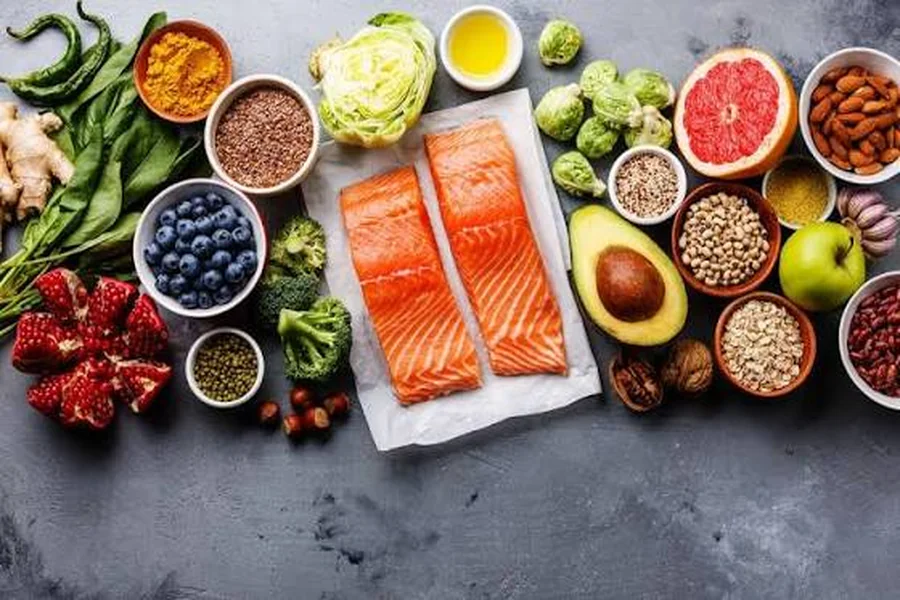
A Low Fat Healthy Diet can help you build balanced meals while reducing unnecessary amounts of unhealthy fat. Fat is an important nutrient, but the type and amount of fat you eat can affect the overall quality of your diet. A healthy low-fat eating pattern does not mean removing all fats from meals. Instead, it focuses on limiting excessive saturated and processed fats while including moderate amounts of beneficial fats from nutritious foods.
Many people believe that eating less fat means eating plain or tasteless meals. However, a balanced low-fat plan can include flavorful foods such as fruits, vegetables, beans, whole grains, lean proteins, low-fat dairy products, herbs, and spices. With thoughtful preparation, meals can remain enjoyable while supporting better nutrition.
The goal is not to follow strict rules or avoid every food that contains fat. Your body needs some dietary fat to support normal functions and help absorb certain vitamins. The key is to choose healthier sources and keep portions reasonable. Small changes in cooking methods and food choices can make a meaningful difference over time.
Understanding a Low-Fat Eating Pattern
A low-fat eating pattern focuses on reducing excessive fat intake while maintaining a balanced supply of protein, carbohydrates, vitamins, minerals, and other nutrients. It usually includes plenty of plant foods, lean protein sources, and minimally processed meals.
Not all fats have the same effect on the body. Unsaturated fats found in foods such as nuts, seeds, fish, and certain plant oils can be part of a nutritious diet. Saturated fats are commonly found in fatty meats, butter, full-fat dairy products, and some processed foods. While these foods do not always need to be completely avoided, eating large amounts regularly may reduce the overall quality of the diet.
Trans fats are another type that should be limited as much as possible. They may be found in some highly processed baked foods, fried products, and packaged snacks. Reading ingredient lists and nutrition labels can help you identify products that contain unhealthy fats.
A healthy low-fat approach is not the same as eating only low-calorie foods. Some low-fat products contain large amounts of added sugar, salt, or refined ingredients. It is important to consider the whole food rather than focusing only on the fat number shown on the package.
For example, plain low-fat yogurt may be a nutritious choice, but a sweetened low-fat dessert may contain a large amount of added sugar. Similarly, a whole-grain meal with vegetables and lean protein may provide better nutrition than a highly processed product labeled as low fat.
Balance is the most important part of this eating style. A meal should provide enough energy and nutrients while avoiding unnecessary amounts of unhealthy fat. Choosing whole foods and using simple cooking methods can make this easier.
Foods to Include in a Low-Fat Healthy Diet
Fruits and vegetables should be important parts of a balanced eating plan. They naturally contain little fat and provide fiber, vitamins, minerals, and beneficial plant compounds. Try to include different colors because each type of produce offers a different mix of nutrients.
Fresh fruits such as apples, oranges, bananas, berries, grapes, and pears can be eaten as snacks or added to breakfast. Frozen fruit can also be useful when fresh options are unavailable. Choose fruit without added sugar whenever possible.
Vegetables such as spinach, broccoli, carrots, cabbage, tomatoes, cucumbers, green beans, and peppers can be included in many meals. Add them to soups, salads, rice dishes, curries, omelets, and sandwiches. Using several vegetables together can improve both flavor and nutrition.
Whole grains are another useful part of a balanced diet. Oats, brown rice, whole-wheat bread, whole-grain pasta, and barley provide fiber and steady energy. These foods can be more filling than refined grains because they contain more of the natural structure of the grain.
Lean protein helps support muscles and keeps meals satisfying. Skinless chicken, fish, eggs, beans, lentils, peas, and low-fat dairy products are practical options. Plant-based protein sources such as beans and lentils also provide fiber.
Fish can be included regularly because some varieties contain beneficial fats. Grilling, baking, steaming, or lightly cooking fish may be a better choice than deep-frying it. Choose preparation methods that do not add large amounts of butter or heavy sauces.
Low-fat or plain dairy products may provide protein and calcium while containing less saturated fat than full-fat options. Plain yogurt, low-fat milk, and reduced-fat cottage cheese can fit into many meals. Check the label because flavored products may contain added sugar.
Beans and lentils are especially useful because they provide protein and fiber with relatively little fat. They can be added to soups, salads, curries, and grain bowls. These foods are affordable and can make meals more filling.
Healthy Cooking Methods and Meal Ideas
The way food is prepared can change the amount of fat in a meal. Deep-frying often adds a large amount of oil, while baking, grilling, steaming, boiling, roasting, and air-frying may require less added fat.
When cooking with oil, use a small amount instead of pouring freely. A measuring spoon can help control the quantity. Choose oils that contain mostly unsaturated fats and use them in moderation because all oils are calorie-dense.
Herbs, spices, garlic, ginger, lemon juice, vinegar, and fresh vegetables can add flavor without depending on large amounts of butter, cream, or rich sauces. Seasoning food well can make lower-fat meals enjoyable and satisfying.
For breakfast, oatmeal with fruit can provide fiber and natural sweetness. Whole-grain toast with eggs and tomatoes is another simple option. Plain yogurt with berries and a small amount of oats can also make a balanced morning meal.
For lunch, try a whole-grain sandwich with lean chicken and vegetables. A bowl of lentil soup with a side salad is another filling choice. You can also prepare a rice bowl with vegetables, beans, and a moderate serving of lean protein.
Dinner can include grilled fish or skinless chicken with vegetables and a whole grain. A vegetable and lentil curry served with a moderate portion of rice can also fit into a low-fat eating pattern. Focus on using less oil while keeping the meal flavorful.
Healthy snacks may include fresh fruit, plain yogurt, air-popped popcorn, vegetables with a small amount of hummus, or whole-grain crackers. These choices can help manage hunger between meals without relying heavily on fried or highly processed foods.
Planning meals in advance can make healthy choices easier. Prepare vegetables, cook whole grains, and keep lean protein sources ready for busy days. Having nutritious foods available may reduce the need to choose fast food when time is limited.
Common Mistakes to Avoid
One common mistake is removing all fat from the diet. Your body needs some dietary fat to support normal functions and absorb certain vitamins. A healthy eating plan should include moderate amounts of beneficial fats instead of avoiding every food that contains fat.
Another mistake is choosing processed foods only because they are labeled “low fat.” Some products replace fat with sugar, salt, starch, or artificial ingredients. Always check the complete nutrition label and ingredient list.
Eating very small portions may also create problems. If meals are not satisfying, you may become hungry soon after eating and choose less nutritious foods later. Include enough vegetables, whole grains, and protein to make meals filling.
Some people use large amounts of low-fat sauces and dressings without checking the serving size. These products may still contain added sugar or sodium. Use moderate amounts and choose simple ingredients when possible.
Avoiding nuts, seeds, and fish completely is another common mistake. These foods contain fat, but they can also provide important nutrients. Small portions can fit into a balanced diet unless you have a medical reason to avoid them.
Relying on fried foods only occasionally does not necessarily prevent excess fat intake. Restaurant meals, packaged snacks, baked goods, and creamy drinks may also contain large amounts of unhealthy fats. Paying attention to your overall eating pattern is more useful than focusing on one food.
Finally, do not expect immediate results from changing your diet. Healthy eating works best as a long-term habit. Small improvements that you can maintain are often more useful than strict plans that are difficult to follow.
How to Build a Balanced Low-Fat Meal
A simple way to build a balanced meal is to fill a large part of your plate with vegetables. Add a source of lean protein and include a moderate portion of whole grains or another nutritious carbohydrate.
For example, you could combine grilled chicken with brown rice and mixed vegetables. Another option is lentil curry with vegetables and a moderate serving of rice. A vegetable soup with beans and whole-grain bread can also provide a satisfying meal.
Choose lean protein sources more often. Remove visible fat from meat and remove the skin from chicken when appropriate. Use cooking methods that require little added oil, such as baking, grilling, steaming, or boiling.
Include fiber-rich foods because they can help meals feel more filling. Fruits, vegetables, beans, lentils, oats, and whole grains are useful choices. Fiber also supports healthy digestion and adds variety to meals.
Use healthy fats in small amounts. A few nuts, a small serving of seeds, or a measured amount of plant oil can add flavor and nutrition. The goal is moderation rather than complete avoidance.
Pay attention to beverages as well. Water is a simple choice for daily hydration. Unsweetened tea and other low-sugar drinks may also fit into a balanced routine. Limit sweetened beverages and creamy drinks that may contain large amounts of sugar and fat.
A balanced eating pattern should remain flexible. You can enjoy occasional favorite foods while keeping nutritious choices as the foundation of your routine. Consistency matters more than making every meal perfect.
Final Thought
A Low Fat Healthy Diet does not require removing all fats or eating bland meals. It is about choosing nutritious foods, limiting excessive amounts of saturated and processed fats, and using healthier cooking methods.
Build meals around vegetables, fruits, whole grains, beans, lean proteins, and low-fat dairy products. Include beneficial fats in reasonable portions and avoid depending heavily on fried foods, creamy sauces, and highly processed snacks.
Small changes can make this eating pattern easier to maintain. Use less oil when cooking, choose grilled or baked foods more often, and prepare simple meals at home. These habits can improve the overall quality of your diet without making food less enjoyable.
Focus on balance instead of strict restrictions. A flexible routine that includes a variety of nutritious foods is usually easier to follow over time. If you have a medical condition or need a specific diet, speak with a qualified healthcare professional before making major changes.
FAQs
What is a Low Fat Healthy Diet?
A Low Fat Healthy Diet is an eating pattern that limits excessive unhealthy fats while including balanced amounts of vegetables, fruits, whole grains, lean proteins, and beneficial fats.
Does a low-fat diet mean avoiding all fats?
No, a low-fat diet does not mean removing all fats because the body needs some dietary fat for normal functions and nutrient absorption.
What foods are good for a low-fat diet?
Fruits, vegetables, beans, lentils, whole grains, skinless chicken, fish, low-fat dairy products, and other lean protein sources are useful choices.
Can I eat nuts on a low-fat diet?
Yes, nuts can be included in small portions because they provide beneficial fats, protein, and important nutrients.
Which cooking methods use less fat?
Baking, grilling, steaming, boiling, roasting, and air-frying usually require less added fat than deep-frying.
Are low-fat packaged foods always healthy?
No, some low-fat products contain high amounts of added sugar, sodium, or refined ingredients, so it is important to check the full nutrition label.
Can a low-fat eating plan be enjoyable?
Yes, low-fat meals can be flavorful when you use herbs, spices, garlic, ginger, lemon juice, vegetables, and other natural seasonings.
