
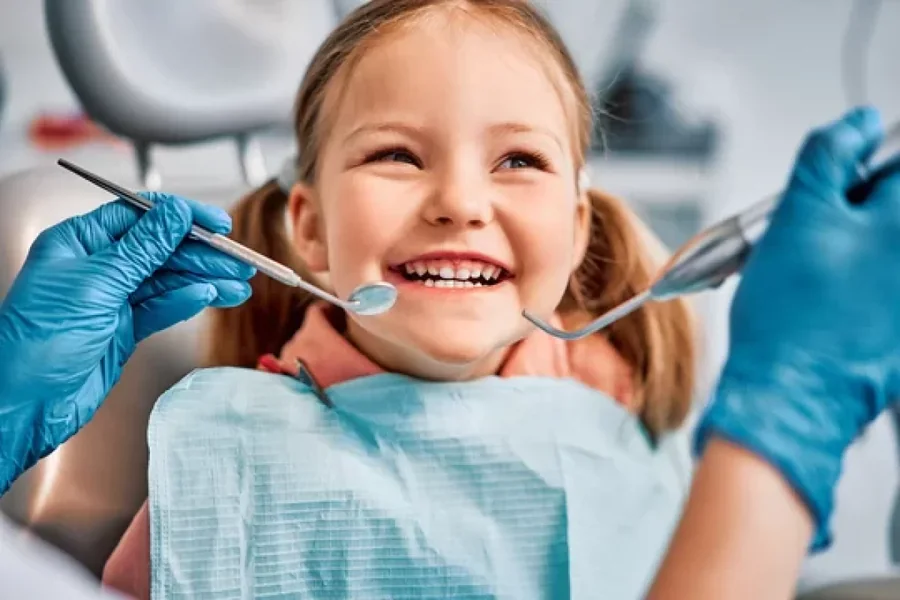
Why Dental Care Matters for Children
Good oral health starts early. Healthy baby teeth help children chew food, speak clearly, and develop good dental habits. Even though baby teeth eventually fall out, they still need proper care because cavities and other dental problems can affect a child’s comfort and overall oral health.
Parents play an important role in building these habits. Young children do not always have the ability to brush their teeth effectively on their own, so adults should supervise and assist when needed. Starting a routine early makes dental care feel like a normal part of everyday life.
Good dental care also helps children become familiar with brushing, flossing, healthy food choices, and regular dental appointments. These habits can continue into the teenage years and adulthood.
Simple Daily Habits for Healthy Children’s Teeth
Parents should begin caring for a baby’s mouth even before several teeth appear. Gently cleaning the gums with a soft infant toothbrush or clean cloth and water can help establish an oral-care routine. Once the first tooth erupts, brushing should begin twice a day with a soft, age-appropriate toothbrush and a small amount of fluoride toothpaste.
For children younger than three years, dental guidance recommends using a smear of fluoride toothpaste about the size of a grain of rice. From around three to six years, the amount can be increased to a pea-sized portion, while parents continue to assist with brushing.
Brushing should cover the front, back, and chewing surfaces of the teeth. Parents can make the routine easier by choosing a child-sized toothbrush and creating a simple morning and bedtime schedule.
Cleaning between teeth is another useful part of children’s oral care. Once two teeth touch each other, cleaning between them can help remove food particles and plaque from areas a toothbrush cannot reach effectively.
For families interested in broader health and lifestyle topics, discourse magazine offers additional content that can complement healthy everyday routines.
Foods and Drinks That Support Children’s Oral Health
Diet has an important role in protecting children’s teeth. Frequent sugary snacks and drinks can increase the risk of tooth decay because oral bacteria can use sugars to produce acids that damage tooth enamel. Limiting sugary foods and beverages can therefore be an important part of a child’s dental routine.
Parents can encourage children to choose balanced meals and nutritious snacks. Fruits, vegetables, dairy products, and other nutrient-rich foods can be part of a healthy eating pattern. Offering water regularly is also a simple way to support good oral habits.
Sugary drinks should not become an everyday choice. Children may enjoy sweet beverages, but frequent exposure can increase the amount of time teeth are exposed to harmful acids. Water between meals can help keep the mouth cleaner and support normal saliva function.
It is also helpful to teach children why food choices matter. When kids understand that their teeth need protection, they may become more willing to brush regularly and make better choices as they grow.
For additional family and everyday lifestyle ideas, coolkingzone com provides a range of general-interest content that may complement a healthy routine.
Common Dental Care Mistakes Parents Should Avoid
One common mistake is allowing children to brush completely on their own before they are ready. Young children may miss important areas or brush for too little time. Parents should supervise and assist with brushing as needed until the child can clean their teeth effectively.
Another mistake is using too much toothpaste. More toothpaste does not mean cleaner teeth. Using the recommended amount helps parents maintain an appropriate routine for the child’s age.
Skipping dental visits is another problem. A child’s first dental visit should be scheduled after the first tooth appears and no later than the first birthday, according to ADA guidance. Early visits allow dental professionals to monitor development and give parents personalized advice.
Parents should also avoid turning dental care into a stressful experience. Simple encouragement, positive language, and consistent routines can make brushing feel easier and more familiar.
Ignoring signs of dental problems is another mistake. Tooth pain, sensitivity, swelling, visible damage, or ongoing discomfort should be discussed with a dental professional rather than left untreated.
Final Thought
Dental habits developed during childhood can provide a strong foundation for lifelong oral health. Brushing twice a day with fluoride toothpaste, cleaning between teeth, choosing sensible foods and drinks, and maintaining regular dental visits can all help protect children’s teeth.
The best Dental Care for Children is simple, consistent, and age-appropriate. With patient guidance from parents and regular support from dental professionals, children can build healthy habits that help protect their smiles as they grow.
FAQs
When should I start brushing my child’s teeth?
Brushing should begin as soon as the first tooth appears. Use a soft, child-sized toothbrush and an age-appropriate amount of fluoride toothpaste.
How much fluoride toothpaste should a young child use?
Children younger than three years should generally use a smear about the size of a grain of rice. Children around three to six years can generally use a pea-sized amount.
Should parents help children brush their teeth?
Yes, young children often need assistance because they may not yet have the ability to brush thoroughly on their own. Parents should supervise and help as needed.
When should my child first visit a dentist?
A child should have a first dental visit after the first tooth appears and no later than the first birthday.
Is flossing necessary for children?
Yes, cleaning between teeth becomes important once two teeth touch because a toothbrush cannot effectively clean every space between them.
What foods should children limit for better dental health?
Children should limit frequent sugary snacks and drinks because regular sugar exposure can increase the risk of tooth decay.
Can baby teeth really affect a child’s health?
Yes, baby teeth are important for chewing, speaking, and maintaining oral function while permanent teeth develop. Keeping them healthy is an important part of childhood dental care.
What should I do if my child complains of tooth pain?
A child with persistent tooth pain or other unusual dental symptoms should be evaluated by a dental professional as soon as reasonably possible.
