
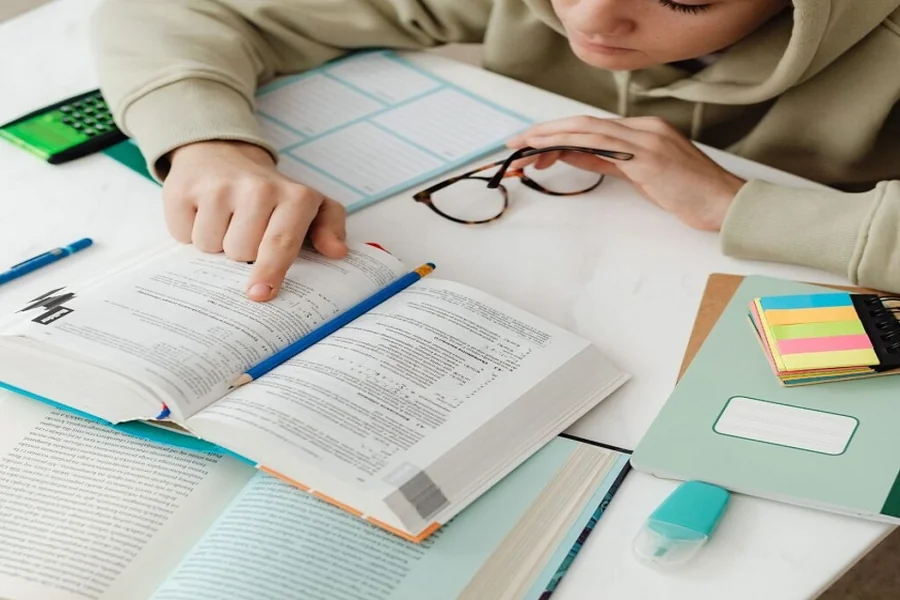
Education has changed significantly with the growth of digital platforms, online courses, and interactive learning tools. Today, students have access to a wide range of materials that can make studying easier, more engaging, and more effective. Educational resources for students are no longer limited to textbooks and classroom notes. They now include websites, videos, practice tools, research platforms, and digital libraries that help learners develop knowledge at their own pace.
The right learning materials can support students in understanding difficult topics, improving study habits, and preparing for academic challenges. Whether a student needs help with mathematics, language skills, science, writing, or exam preparation, there are many resources available to provide extra guidance beyond traditional classroom learning.
Benefits of Using Quality Learning Resources
Quality learning materials can make a major difference in how students understand and remember information. When learners have access to different types of resources, they can choose methods that match their personal learning styles. Some students learn better through visual explanations, while others prefer reading, practicing, or listening.
One of the biggest advantages of educational resources is improved accessibility. Students can find explanations, examples, and exercises whenever they need them. This flexibility allows learners to review lessons after class, prepare before exams, or strengthen weak areas without depending only on scheduled classroom time.
Another benefit is that good resources encourage independent learning. Students can take responsibility for their education by searching for answers, practicing skills, and building confidence. This habit helps them become more organized and motivated learners.
Educational resources can also save time. Instead of spending hours looking for reliable information, students can use carefully created materials that explain concepts clearly. Many online platforms provide structured lessons, quizzes, and progress tracking features that help students monitor improvement.
For students who want to improve their grammar and writing abilities, helpful tools and learning websites can provide additional practice. Resources such as grammarnoun can support learners in developing stronger language skills through useful explanations and examples.
Types of Educational Resources Students Can Use
Students today can choose from many different categories of learning resources. Understanding these options helps learners select materials that fit their academic goals.
Online learning platforms are among the most popular resources. These platforms offer courses, tutorials, and lessons on a wide range of subjects. Students can learn new concepts, complete assignments, and sometimes earn certificates that support their future goals.
Digital libraries are another valuable resource. They provide access to books, academic articles, research papers, and reference materials. These resources are especially useful for students working on projects, essays, or advanced studies.
Educational videos have also become an important learning method. Video lessons can explain complicated ideas through demonstrations, animations, and examples. Many students find visual explanations easier to understand compared to traditional written descriptions.
Practice tools and educational apps help students improve through regular exercises. Language apps, math practice programs, and science simulations allow learners to develop skills through repeated practice.
Study guides and online notes remain useful for reviewing important information. Well-organized summaries can help students quickly revise topics before tests and improve their understanding of key concepts.
Teachers and educational communities are also important resources. Discussions with instructors, classmates, and online learning groups can provide different viewpoints and additional explanations.
How to Choose the Right Resources for Learning
With so many options available, selecting the best educational materials can sometimes feel challenging. Students should consider their goals, learning preferences, and academic requirements before choosing a resource.
The first step is identifying what needs improvement. A student preparing for an exam may need practice questions and revision materials, while someone learning a new skill may benefit from complete courses or detailed tutorials.
Reliability is another important factor. Students should use resources created by trustworthy educators, institutions, or experienced professionals. Accurate information helps prevent confusion and builds a strong foundation of knowledge.
The difficulty level should also match the learner’s current ability. Resources that are too advanced may create frustration, while materials that are too simple may not provide enough growth. The best resources offer a suitable challenge while explaining concepts clearly.
Students should also consider whether a resource encourages active learning. Materials that include exercises, quizzes, examples, or interactive activities are often more effective than resources that only provide information.
Another important consideration is consistency. Using a few reliable resources regularly is usually better than constantly searching for new materials. A focused learning routine helps students make steady progress.
Tips for Making the Most of Study Materials
Having access to educational resources is helpful, but using them effectively is equally important. Students can improve their results by developing smart study strategies.
Creating a study schedule can help learners use resources consistently. Setting aside specific times for reading, practice, and revision prevents last-minute preparation and reduces stress.
Taking notes while using learning materials can improve understanding. Writing important points in personal words helps students remember information and identify areas that need more attention.
Combining different types of resources can also improve learning. For example, a student may watch a video explanation, read additional information, and complete practice exercises on the same topic. This approach creates a deeper understanding.
Students should also review their progress regularly. Checking completed work, correcting mistakes, and revisiting difficult topics can lead to continuous improvement.
Avoiding distractions is another key part of effective learning. While digital resources are useful, students should create a focused environment when studying online. Turning off unnecessary notifications and setting clear goals can improve concentration.
FAQs
What are educational resources for students?
Educational resources for students are learning materials such as books, websites, videos, courses, apps, and study tools that help learners gain knowledge and improve academic skills.
Why are educational resources important for students?
Educational resources are important because they provide additional support, improve understanding, encourage independent learning, and help students prepare for academic challenges.
How can students find reliable learning resources?
Students can find reliable learning resources by choosing materials from trusted educational platforms, experienced teachers, academic institutions, and verified learning websites.
Can online resources replace classroom learning?
Online resources can support classroom learning by providing extra explanations and practice, but they work best when combined with guidance from teachers and structured education.
What types of resources help improve study skills?
Resources such as planners, practice exercises, study guides, educational videos, and learning apps can help students develop better study habits and organization skills.
Are free educational resources useful for students?
Many free educational resources are valuable because they provide access to lessons, practice materials, and information that can support learning without high costs.
Final Thought
Educational resources for students provide valuable opportunities to improve knowledge, develop skills, and become more confident learners. With the right materials and effective study habits, students can overcome learning challenges and achieve better academic results.
The most successful learners are those who actively use available resources, stay curious, and continue improving their abilities. Whether through digital tools, books, online lessons, or practice activities, the right educational support can make learning more effective and enjoyable.
